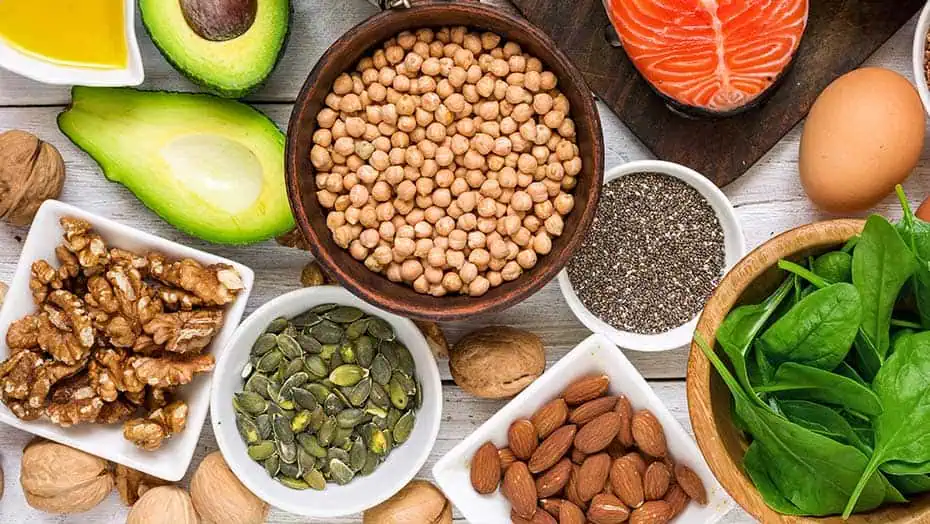
We all know that fresh fruits, vegetables, and meats are the healthiest options when it comes to eating. However, these nutritious items can be more costly than their frozen, canned, or fast-food counterparts. For some, price is a bigger concern than the nutritional value of the food, leading them to fill up their shopping carts with less healthy options.
With product sizing and portions differing from box to box, you may struggle to determine what is really the best option for your money. One tip is to compare the “unit price” often listed on the price label on the shelf. The “unit price” breaks down the price by measurement so you can compare your canned and frozen goods’ price per ounce. It’s all about strategy!
In addition to shopping by “unit price” one of the best strategies for eating healthy at home is to use “the 3 P’s”:
Plan: Before going to the store, sit down to plan meals and snacks for the week on an established budget. A good way to avoid buying too many perishable items is knowing what ingredients you need and what dishes you will make. With your plan in hand, you can also browse local sales fliers to decide at which stores to buy what ingredients. Remember to include leftovers when planning, as you may not need to prepare food the day after a big meal.
Purchase: If possible, go to the grocery store alone when you are not hungry or in a rush to avoid impulsive buys. Remember, convenience sizes and pre-cut fruits or vegetables usually cost more, so even though the alternative may take more prep time, the savings add up. Fresh vegetables are more expensive when not in season, so seek out low-sodium alternatives in the canned aisle. Good low-cost items available all year round include beans, carrots, greens, potatoes, apples, and bananas.
Prepare: Pre-cooking larger meals in advance is a great way to prepare healthy dishes to eat when you are in a rush or tired from a long day at work. You can even spread out your cooking by making larger portions and freezing meal-sized containers for later use. Be creative with your fruits and vegetables, using them in a variety of ways during the week to avoid getting burnt out on your homemade meals.
So, try it out! With some strategy, planning, and these tips, you too can eat healthy on a budget!
Privacy & CookiesPatient First uses cookies and similar technologies to run our website and provide accessibility features. Some tools involve trusted third-party providers.Rejecting non-essential cookies will affect the functionality of the website, such as the accessibility tool.