
COVID-19
What Is COVID-19?
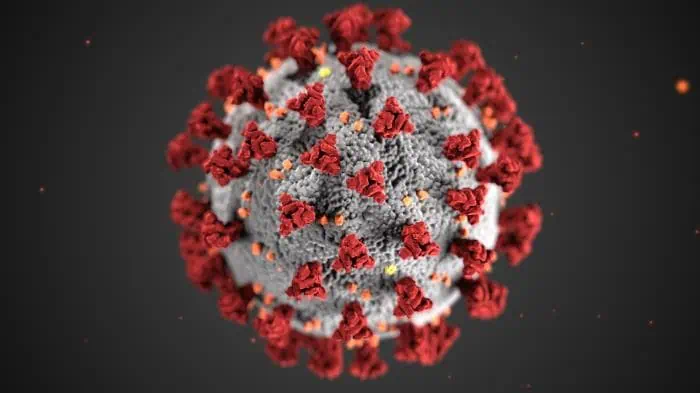
COVID-19 is an infectious disease caused by the SARS-CoV-2 virus. Identified in 2019 (hence the 19 in the name), it is highly contagious and spreads quickly. Usually, COVID-19 causes respiratory symptoms and can feel like a cold or the flu. Most people have relatively mild symptoms, while others may have much more severe symptoms and can become extremely ill.
How Does COVID-19 Spread?
COVID-19 is spread person-to-person when infected individuals cough, sneeze, sing or even talk, sending virus-containing respiratory droplets airborne. These droplets can then land on or be inhaled by others who are nearby (within 6 feet). These droplets may also contaminate solid surfaces within the room and can get into your body if you touch the surface and then touch your mouth, nose, or eyes.
With this virus, individuals can become infected even when the contagious person is not displaying any symptoms.
Who is At Risk for Severe Illness from COVID-19?
While some people who contract COVID-19 experience mild to moderate symptoms or even no symptoms at all, for others this can be a life-threatening disease. Older people and those with underlying medical conditions such as cardiovascular disease, diabetes, chronic respiratory disease, or cancer are more likely to develop serious illness and require immediate medical attention.
What Are the Symptoms of COVID-19?
According to the Centers for Disease Control (CDC), Common Symptoms Include:
- Fever and/or Chills
- Cough
- Shortness of Breath
- Difficulty Breathing
- Fatigue
- Muscle or Body Aches
- Headache
- Loss of Taste and/or Smell
- Sore Throat
- Congestion or Runny Nose
- Nausea and/or Vomiting
- Diarrhea
What Should I Do if I Have Symptoms of COVID-19?
See your doctor as soon as possible. If you are diagnosed with COVID-19, you may be eligible for an oral medication that must be started within 5 days of onset of symptoms to decrease your chances of being hospitalized or dying from the disease.

Also, it will be important to stay home and away from other and to keep an eye out for serious symptoms such as having trouble breathing, persistent pain or pressure in the chest, confusion, difficulty waking up, or bluish lips. If any of these symptoms occur, call 911 or go to the closest Emergency Room.
How are COVID-19 infections prevented?
Basic health and hygiene measures, such as handwashing, are most important to reducing your risk.
The (CDC) recommends several other actions to minimize your risk.
- Stay current with COVID-19 Vaccinations.
Please Note: Patient First does not offer COVID-19 vaccinations.
To find a location that administers COVID-19 vaccines near you, visit vaccines.gov. - Improve ventilation in indoor areas (opening windows, using improved air filters).
- Move indoor activities outdoors.
- Avoid contact with people who have suspected or confirmed cases of COVID-19.
- Increase space and distance between yourself and others in public places.
- Wear a mask or respirator (for example, N95) when in areas that are potentially at medium or high risk for transmission.
COVID-19 Evaluation and Virus Testing at Patient First
No appointment is necessary, just walk in to any Patient First center. Find a location near you.
All patients will be evaluated by a provider. Initial tests may be ordered per standing orders based on symptoms and history, and additional tests may be ordered by the provider after additional evaluation of the patient and review of initial test results.
COVID-19 FAQs
Getting Evaluated and Tested
Test Results
Safety and Other Helpful Information
Patient First treats many conditions at our urgent care centers including COVID-19. You can visit any Patient First center from 8am to 8pm, any day of the week – no appointment is needed
Why Patient First?
Patient First provides efficient service that meets your medical needs as well as your schedule. Don’t wait for an appointment—simply walk in to your nearest Patient First center today. Our extended night, weekend, and holiday hours mean you never have to miss work or school. We pride ourselves in a minimum wait at our urgent care centers, which is significantly less than at the hospital emergency room.